

In October 2010, French government passed a bill prohibiting the concealment of one’s face in public places. The law, commonly known as ‘burka ban’ led a Muslim woman to file a lawsuit at the European Court for Human Rights (ECHR), as she felt discriminated against. The French national, who was born in 1990 and lives in France, preferred to remain unnamed. As a devout Muslim and in her submissions she said that she wore the burka and niqab (full-body covering) in accordance with her religious faith, culture and personal convictions.
Today, the ECHR confirmed that the French ‘burka ban’ is in line with the European Convention:
“In today’s Grand Chamber judgment in the case of S.A.S. v. France (application no. 43835/11), which is final1, the European Court of Human Rights held, by a majority2, that there had been no violation of Article 8 (right to respect for private and family life) of the European Convention on Human Rights, and no violation of Article 9 (right to respect for freedom of thought, conscience and religion); unanimously, that there had been no violation of Article 14 (prohibition of discrimination) of the European Convention combined with Articles 8 or 9. […] The Court emphasised that respect for the conditions of “living together” was a legitimate aim for the measure at issue and that, particularly as the State had a lot of room for manoeuvre (“a wide margin of appreciation”) as regards this general policy question on which there were significant differences of opinion, the ban imposed by the Law of 11 October 2010 did not breach the Convention.”
Full press release (English/French) as PDF:
*Footnotes
1 Grand Chamber judgments are final. All final judgments are transmitted to the Committee of Ministers of the Council of Europe for supervision of their execution.
2 Two of the 17 judges expressed a joint dissenting opinion: Angelika Nu?berger (Germany) and Helena Jäderblom (Sweden).
By Carpe Diem


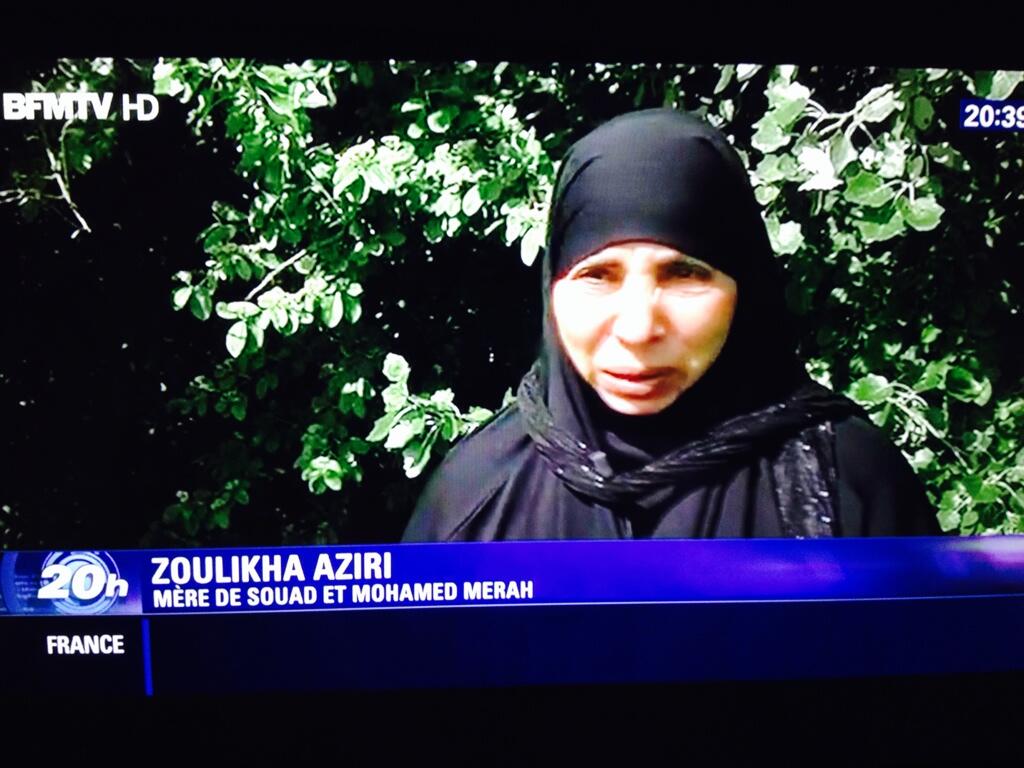
 First, let us review the facts. Read in ‘Le Progrès’: