Crisis: Citigroup, 90% chance Greece leaving euro

ANSAMED:

New study says Italy and Spain likely to be bailed out

26 July, 11:57

(ANSAmed) – MILAN, JULY 26 – Citigroup analysts say there is a 90 percent chance Greece will leave the eurozone in the next 12-18 months. In a new study on the crisis, Blommberg reports, the bank reviewed its previous forecast according to which Athens’ chance of leaving the euro was estimated between 50 and 75 percent.

Citigroup analysts estimated Greece’s exit could occur on January 1, 2013, though stating that is not a forecast of a specific date.

Click to continue:

Europe is sleepwalking towards imminent disaster, warn top economists

Telegraph:

 The euro has completely broken down as a workable system and faces collapse with “incalculable economic losses and human suffering” unless there is a drastic change of course, according to a group of leading economists.

A one euro coin is melted with a welding torch in this photo illustration

The 17 economists said Europe’s political waters have been muddied by disputes over eurobonds, debt-pooling, subsidies and fiscal union Photo: Reuters
Ambrose Evans-Pritchard

By , International Business Editor

11:13PM BST 24 Jul 2012

Comments945 Comments

Europe is “sleepwalking towards disaster”, according to the 17 experts, who warned that over the past few weeks “the situation in the debtor countries has deteriorated dramatically”.

“The sense of a neverending crisis, with one domino falling after another, must be reversed. The last domino, Spain, is days away from a liquidity crisis,” said the economists. They include two members of Germany’s Council of Economic Experts and leading euro specialists at the London of School of Economics, all euro supporters.

Click to continue:

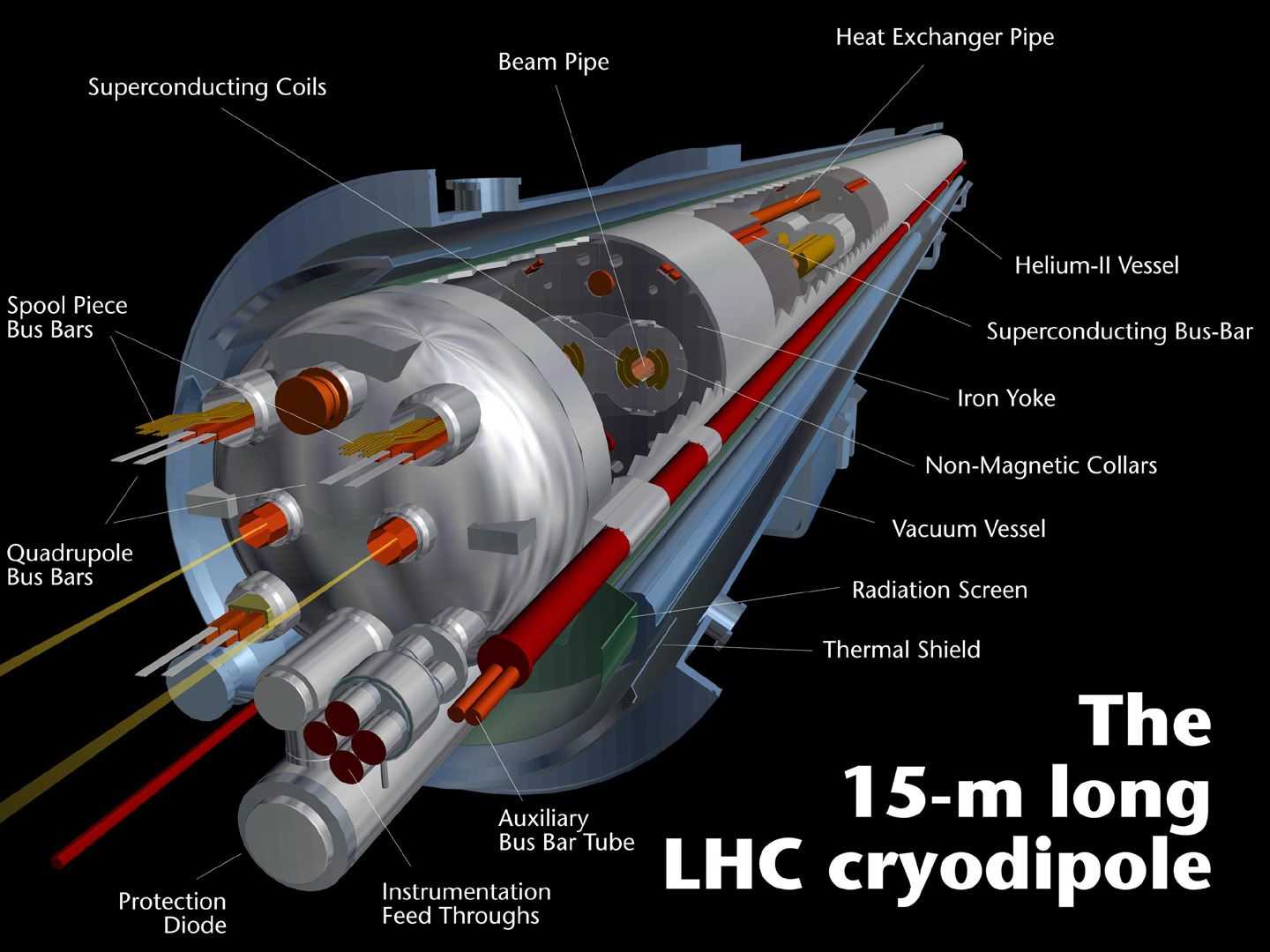
CERN finds ‘God’ particle that adds mass to other particles… now attempts to find the ‘Euro particle’

Basel Switzerland:

Now that the largest scientific experiment in all of history has succeeded in finding the elusive ‘God particle’, the ‘higgs boson’ which is said to actually give mass to the more familiar particles, the scientists at CERN are now turning their attention to trying to find the ‘Haveyouon‘ also dubbed, ‘The Euro-on” (pronounced ‘your-on’) the particle which is said to give value to currencies like the Euro.


The ‘Haveyouon, also known as the ‘non-fiat-on’ is said to be responsible for the so-called, ‘dark currency’, which constitutes an estimated 84% of the money in circulation. It is because of this ‘dark currency’ that economists estimate the expansion of world economies will come to a halt and reverse direction resulting in the ‘big crash’ from which old currencies such as the Drachma or Deutsche Mark are likely to be created if sufficient speeds can be reached inside the LHC.

(Thus joke was created with the aid of Fjordman)

Greece will run out of money soon, warns deputy prime minister

The Telegraph:

 Greece’s deputy prime minister has said the country will run out of money in six weeks unless it honours its bitterly-disputed EU bailout deal.

Greece's deputy prime minister has said the country will run out of money in six weeks unless it honours its bitterly-disputed EU bailout deal.

The deputy prime minister also warned that chaos could boost the neo-fascist Golden Dawn party, which won an unprecedented seven per cent of the vote, and 21 seats, in Sunday’s election Photo: AP
Andrew Gilligan

By , Athens

7:00PM BST 12 May 2012

Comments462 Comments

Speaking exclusively to The Sunday Telegraph, Theodoros Pangalos said he was “very much afraid of what is going to happen” after Greek voters rejected the deal in elections last Sunday.

“The majority of the people voted for a very strange mental construction,” he said. “We want to be in the EU and the euro, but we don’t want to pay anything for the past.”

The main beneficiary of the election, the hard-Left Syriza coalition, came a startling second on a promise to tear up the deal, which promises EU loans to keep massively-indebted Greece afloat, but demands crippling spending cuts in return. Germany, the principal lender, has said it will stop payments if Greece breaks its promises on spending.

Mr Pangalos warned: “There is a school of thought that says the Germans are bluffing. They need Greece and will never throw us out of the eurozone. But what will happen, which is almost certain, is they will not give us the money to pay our debts.

Click to continue: